
Out of the blue. I’ve spent a huge amount of time on Spanish translations of Harry Potter. I’ve also been watching Latin countries play soccer, but I’m alright.
The Spanish Flu was a global influenza pandemic that swept the world between 1918 and 1920, infecting an estimated one-third of the world’s population. Despite its name, the outbreak likely did not originate in Spain; Spain’s uncensored reporting during World War I simply made the disease more visible internationally. It was a smaller pandemic than COVID, but it was still deadly.
A drink helps. Sometimes, it can cure any sickness. I even came up with my own signature drink through a bit of trial and error. It’s simple, refreshing, and somehow always seems like the right medicine. Sometimes the best ideas come together one sip at a time. If Tom Collins can be a great drink, so can Enrique Mas.
Can’t get my mind off retro music. Mario Juan Valez’s story is a movie reviewed by the Harlem Herald. Lionheart’s underground started as far south as Puerto Rico. It began with Nueva hitz.
Then it ended as my last laugh.
Julio Iglesias is one of the best-selling Latin music artists of all time, known for his smooth vocals and romantic ballads. Over a career spanning more than five decades, he has recorded songs in multiple languages, and he’s sold a ton of records, making him a really big star.
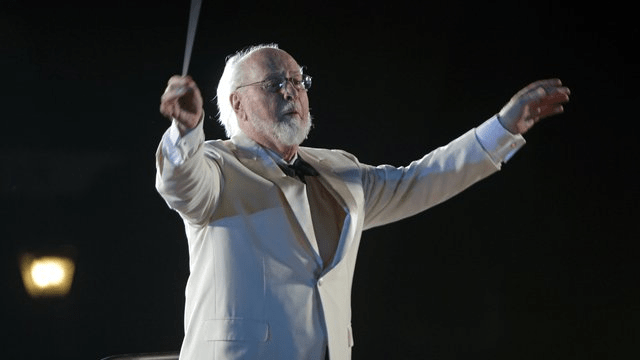
John Williams is one of the most celebrated film composers in history, known for creating unforgettable orchestral scores that have shaped modern cinema. Over a career spanning more than six decades, he has composed iconic music for films such as Star Wars, Jaws, E.T. the Extra-Terrestrial, Indiana Jones, Jurassic Park, and Harry Potter. His powerful melodies and masterful orchestration have earned him numerous awards, including Academy Awards and Grammys, making him one of the most influential and best modern composers of the Technossance era.
Today’s top songs are random takes from my radio stations and vinyl collection.
Today’s Top 5 Songs:
- “Eleanor Rigby” by The Beatles ‧ 1966.
- “Last Exit” by Pearl Jam ‧ 1994.
- “Serve the Servants” by Nirvana ‧ 1993.
- “Down on the Farm” by The Doors ‧ 1971.
- “Nothing’s Gonna Stop Us Now” by Starship ‧ 1987.
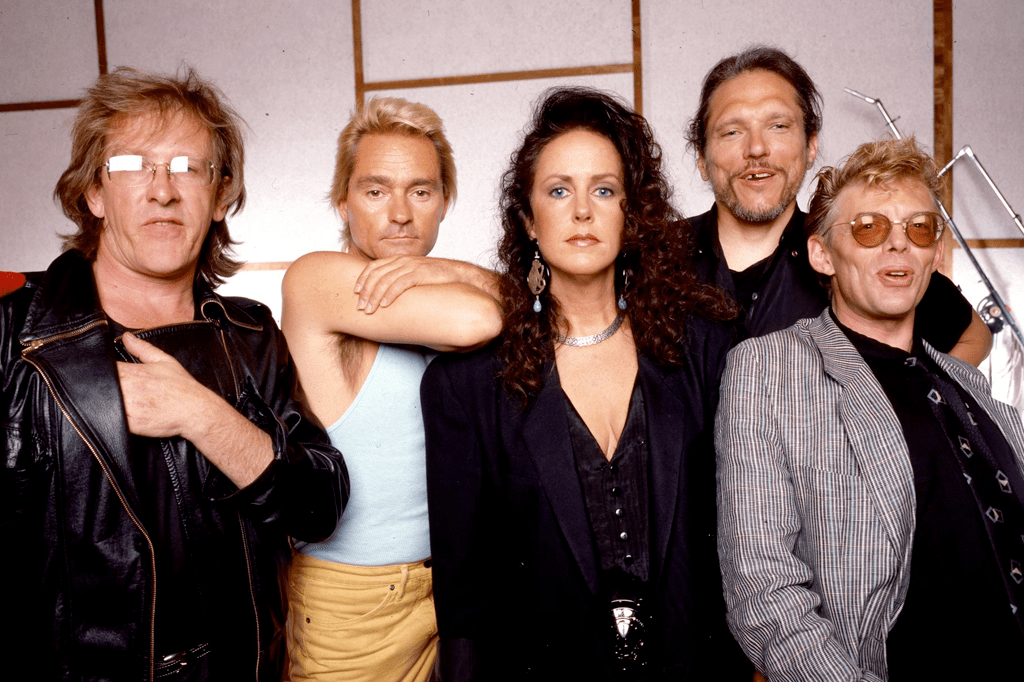
Jefferson Airplane emerged in the mid-1960s as one of the defining bands of the San Francisco psychedelic rock scene, blending folk, blues, and experimental rock into a distinctive sound. With classic albums such as Surrealistic Pillow and hit songs like “Somebody to Love” and “White Rabbit”, the group became closely associated with the counterculture movement. As the original lineup evolved throughout the 1970s, several members departed, leading to a new musical direction.
The band reformed as Jefferson Starship in the 1970s, shifting toward a more polished rock style that produced major hits including “Miracles” and “Jane”. By the mid-1980s, the group shortened its name to Starship and embraced a mainstream pop-rock sound, achieving worldwide success with chart-topping singles such as “We Built This City”, “Sara”, and “Nothing’s Gonna Stop Us Now”. Although each incarnation reflected changing musical trends, all three versions shared a common lineage that made the power group an enduring part of rock history.


Leave a Reply